October 7, 2026
What Basketball Teaches Us About Making Decisions Quickly
By Alaa Jaber
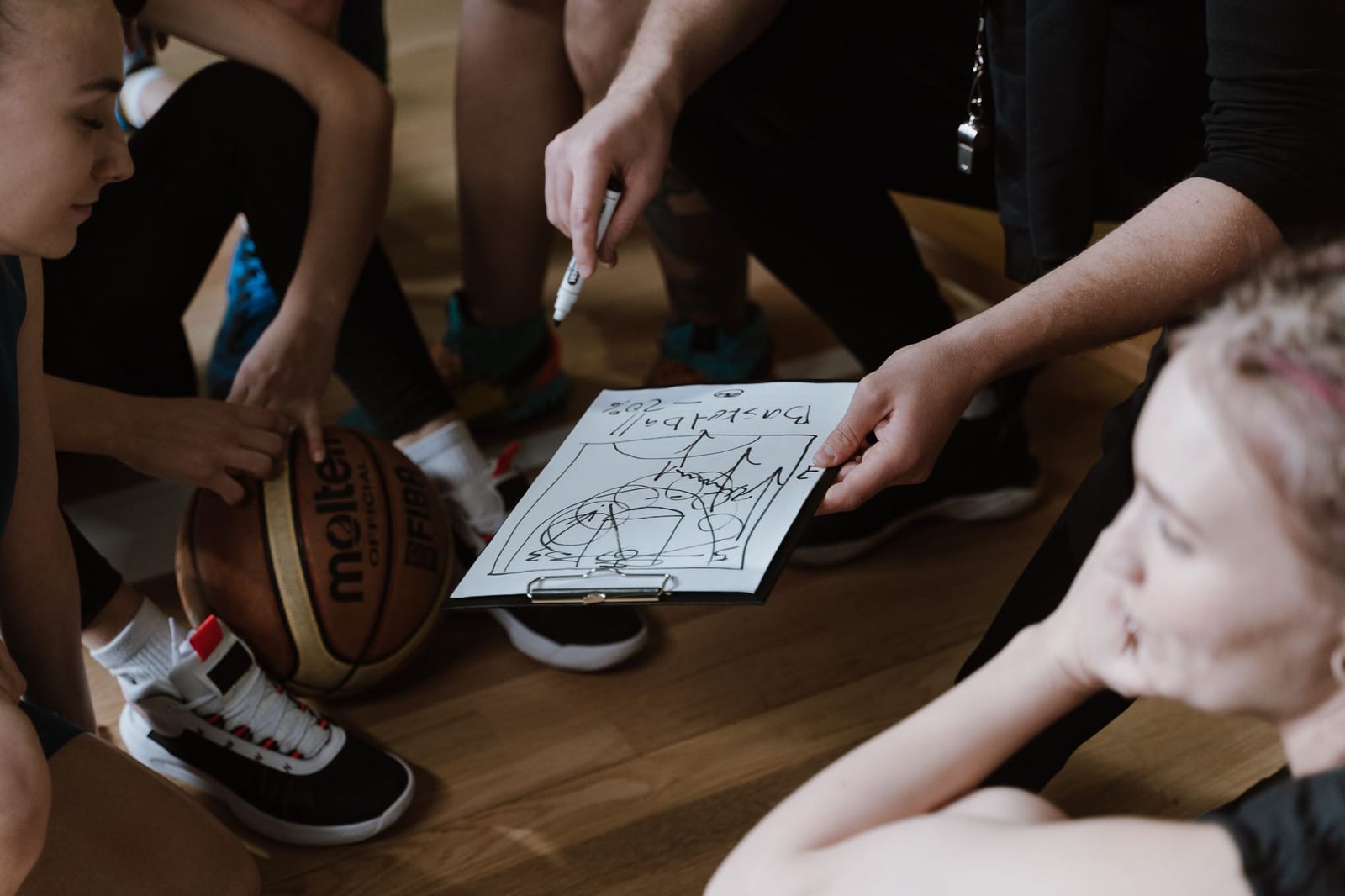
One thing I enjoy about basketball is how quickly everything changes. A player can have the ball with one idea in mind, see the defense move, and have to make a completely different decision a second later. You don't always have time to stop and consider every possibility. You see what is happening, make a judgment, and live with the result.
That is very different from what I like about football. Football makes me think about preparation and how much work goes into it before the game. Basketball makes me think about what happens when preparation meets reality. You can have a plan, but once the situation starts moving, you have to move with it.
Working for myself has made me appreciate that distinction. Some business decisions deserve plenty of time and consideration. Others do not give you that luxury. An opportunity appears, a problem develops, or circumstances suddenly change. At that point, the question is not whether you have enough time to make the perfect decision. It is whether you can make a reasonable one with the information you have.
You Cannot Stop the Game Every Time Something Changes
Basketball moves too quickly for a player to analyze every decision from the beginning. When the defense closes one option, the player has to find another. Waiting too long is a decision in itself because the opportunity that existed a second ago may disappear.
I have experienced a version of that in business. Sometimes I would prefer another day to think about something, but another day isn't always available. Someone needs an answer. A problem is getting worse. An opportunity will not stay open indefinitely.
My instinct is usually to gather as much information as I can. I think that is a good habit, but there is a point where wanting more information can become an excuse for not deciding.
I sometimes ask myself what I am actually waiting to learn. Is there a specific piece of information that could change my decision, or am I waiting because I do not want to be responsible for making the wrong call?
Those are two very different situations.
Quick Decisions Are Not the Same as Careless Decisions
Making decisions quickly can sound reckless. I do not see it that way.
A good basketball player doesn't make every decision randomly. What looks like an instant reaction is usually supported by years of experience. The player has seen similar defensive setups, practiced similar situations, and learned to recognize what is happening.
That is where preparation still matters.
The same thing happens when you work for yourself. Decisions that once took a long time can become easier because you have seen versions of the situation before. You begin to recognize warning signs. You know which questions matter. You remember what happened the last time you made a similar choice.
Experience doesn't guarantee the decision will be correct, but it gives you something to work with.
I think that distinction matters. Making a quick decision because you understand the situation is different from making one because you could not be bothered to think about it.
Sometimes the Better Choice Is the Simple One
Basketball also reminds me that you do not always need to make the most impressive play.
Sometimes the right decision is the obvious pass. Sometimes the open shot is there, and you take it. Trying to create something more complicated can turn a good opportunity into a bad possession.
I think business can be similar. It is easy to overcomplicate decisions because we assume an important problem must require an equally complicated solution.
I have caught myself doing that. I can consider so many different possibilities that I start moving further away from the basic question I was trying to answer.
What am I actually trying to accomplish? What is the most straightforward way to get there? What could go wrong?
Those questions will not solve every problem, but they can clear away a lot of unnecessary noise.
You Have to Know When to Slow Down
There is another side to this. Basketball is fast, but good players do not play at maximum speed every second.
Sometimes they slow the possession down. They wait for teammates to get into position, read what the defense is doing, and avoid forcing a play that is not there.
I think knowing when not to make a quick decision is just as important.
Some business decisions have consequences that are difficult to reverse. If a decision involves a significant amount of money, a major commitment, or something that could affect other people for a long time, I want to give it the attention it deserves.
The challenge is knowing which type of decision is in front of you.
Is this something I can adjust later if I get it wrong? If so, maybe I do not need to spend three days thinking about it. Is this something that will be difficult or expensive to undo? Then slowing down probably makes sense.
Not every decision deserves the same amount of time.
A Bad Decision Does Not Mean the Next One Has to Be Bad
Basketball players also have to move on quickly.
If a player makes a bad pass and turns the ball over, the game does not stop so they can think about it for ten minutes. They have to get back on defense. There will be time later to review what happened, but another play is already happening.
I think that is one of the hardest things to do well in business.
When I make a decision that does not work out, I naturally want to think about what I should have done differently. That reflection can be useful. The danger is allowing one mistake to affect the next decision.
You can become too cautious. You can start second-guessing things you normally understand well because the previous outcome is still in your head.
I try to separate learning from dwelling. I want to understand why something went wrong, but I also have to accept that I cannot go back and change it. The useful question is what I will do differently next time.
You Learn by Making Decisions
Working for yourself has taught me that judgment develops partly because you are forced to use it.
You can read advice and listen to people with more experience, and I think both are valuable. Eventually, though, some decisions belong to you. Some will work. Some will not. Others will be somewhere in between.
Basketball makes that process easy to see. Players constantly read what is happening and adjust. They do not know the outcome of a pass before they make it. They simply have to recognize the situation and decide.
Business is obviously not a basketball game, but I think that mindset is useful. Preparation matters, but so does being able to respond when reality does not match the plan.
I still prefer having time to think through important decisions. I don't believe speed should be treated as a virtue in itself. However, I have also learned that waiting does not automatically make a decision better.
Sometimes the situation is already moving. When that happens, you have to trust what you know, make the best call available, and be ready to adjust again if the situation changes.